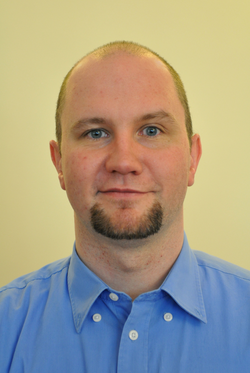
dr Michael Zok
Pracownik naukowy
+48 22 525 83 26
Nota biograficzna
Urodził się w 1982 r. w Tychach. W latach 2004–2008 studiował historię Europy Wschodniej i nauki polityczne na Uniwersytecie Filipa w Marburgu i Uniwersytecie Justusa Liebiga w Gießen, a od 2008 do 2012 r. był pracownikiem naukowym w Instytucie Herdera i współpracował przy realizacji osi tematycznej programu LOEWE „Techniki kulturowe i ich medializacja”, projekt cząstkowy B2: „Historiografia audiowizualna. Narracje telewizyjne w Europie Wschodniej i Zachodniej”. W 2013 r. uzyskał stopień doktora na Uniwersytecie Justusa Liebiga w Gießen, a w latach 2013–2014 był stypendystą niemiecko-czeskiej i niemiecko-słowackiej komisji historyków oraz Niemieckiego Instytutu Historycznego w Warszawie. W 2015 r. korzystał z długoterminowego stypendium w Niemieckim Instytucie Historycznym, a w latach 2016–2017 pracował w sektorze prywatnym. W latach 2018–2020 był nauczycielem w wyższych klasach Freie Waldorfschule w Magdeburgu. Od lutego 2020 r. jest pracownikiem Niemieckiego Instytutu Historycznego w Warszawie, finansowanym przez Niemiecką Wspólnotę Badawczą (DFG). Jego obecne badania sytuują się przede wszystkim w programie badawczym 4 (Przemoc i obca władza w XX wieku – „stuleciu skrajności”). Projekt cząstkowy jest poświęcony tematowi „‚No Sex Please, We are Catholic’. Reprodukcja i partnerstwo na styku między (de-)sekularyzacją a (de-)prywatyzacją religii w Irlandii i Polsce”.
Zainteresowania badawcze
- Współczesna historia Europy ze szczególnym uwzględnieniem Europy Środkowo-Wschodniej
- Kultura pamięci i państwowa polityka pamięci
- Historia gender i historia seksualności
- Historia mediów, filmu i technologii
Publikacje
Monografia
Die Darstellung der Judenvernichtung in Film, Fernsehen und politischer Publizistik der Volksrepublik Polen 1968-1989 (Studien zur Ostmitteleuropaforschung; 34). Marburg 2015.
Artykuły (wybór)
Interdependenzen zwischen Sozialpolitik und Demografie im (post-)kommunistischen Polen. Ökonomische Verflechtungen, geschlechterspezifische Entwicklungen, traditionelle Lösungen, w: Jahrbuch für historische Kommunismusforschung 2024, str. 249-261.
Gendered Social Policies in (Post-)Communist Countries. The Case of Poland. w: Macedonian Journal of Social Policy, 2022, str. 37–54.
Reproduktionsrechte als Konfliktzonen zwischen „Säkularisierung“ und „Tradition“ anhand der Beispiele Irland und Polen, w: Feministische Studien 26 (2021), T. 1, str. 55–74.
„To Maintain the Biological Substance of the Polish Nation”: Reproductive Rights as an Area of Conflict in Poland, w: The Hungarian Historical Review, 10 (2021), T. 2, str. 357-381.
(K)Ein ›Kompromiss‹? Der Konflikt um die Neuregulierung des Schwangerschaftsabbruchs in Polen in den 1980er/1990er Jahren, w: Ariadne Forum für Frauen- und Geschlechtergeschichte 77 (2021), str. 164-181.
Körperpolitik, (staatstragender) Katholizismus und (De‐)Säkularisierung im 20. Jahrhundert. Auseinandersetzungen um Reproduktionsrechte in Irland und Polen, Body Politics 7 (2019), T. 11, str. 123-158. http://bodypolitics.de/de/wp-content/uploads/2020/04/ch07-zok.pdf
Wider die „angeborene und nationale Mission der Frau“? Gesellschaftliche Auseinandersetzungen um Abtreibungen in Polen seit der Entstalinisierung, w: Zeitschrift für Ostmitteleuropa-Forschung 2 (2019), str. 249-278.
Säkularisierung im Intimbereich. Auseinandersetzungen um Sexualität und Reproduktionsrechte in Irland und Polen nach dem Zweiten Weltkrieg, w: Střed/Centre. Journal of Interdisciplinary Studies of Central Europe in 19th and 20th Centuries 1 (2018), str. 55-100.
Some findings of the recent research in the history of Upper Silesia, w: Acta Poloniae Historica 114 (2016), str. 327-342.
Aktualne wydarzenia
nie. 17.03.2024 | 18:00
dr Bartosz Dziewanowski-Stefańczyk
dr Olga Gontarska
dr Michael Zok
dr Christhardt Henschel
prof. dr hab. Magdalena Saryusz-Wolska
Drezno
dr Beata Jurkowicz
dr Michael Zok
Warszawa
czw. 24.11.2022 | 18:00
dr Michael Zok
dr Jaśmina Korczak-Siedlecka
Warszawa
pią. 02.09.2022 | 15:00
dr Michael Zok
Warszawa
Aktualności
kwi
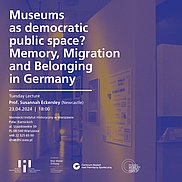
Odwołane: Prof. Dr hab. Susannah Eckersley (Newcastle): Museums as democratic public space? Memory, Migration and Belonging in Germany
Z przykrością informujemy, że wykład pani prof. Susannah Eckersley (Newcastle)…
kwi
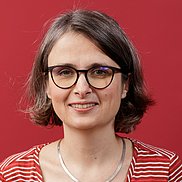
Magdalena Saryusz-Wolska nową dyrektorką Niemieckiego Instytutu Historycznego Warszawie
Od 1 kwietnia 2024 roku Niemieckim Instytutem Historycznym (NIH) w Warszawie…
kwi